BUILT FOR MOBILITY · ENGINEERED TO LEAD
Explore our applications and see how each one works, live. Every solution was created in response to a real business need from one of our clients. Want to learn more about a specific application, or discuss something similar for your company? Get in touch with our team.
Explore our AppsContact Us
Many brands. Many countries. One catalog.

A product information management platform for parts businesses running multiple brands, countries and sales channels from one catalog.
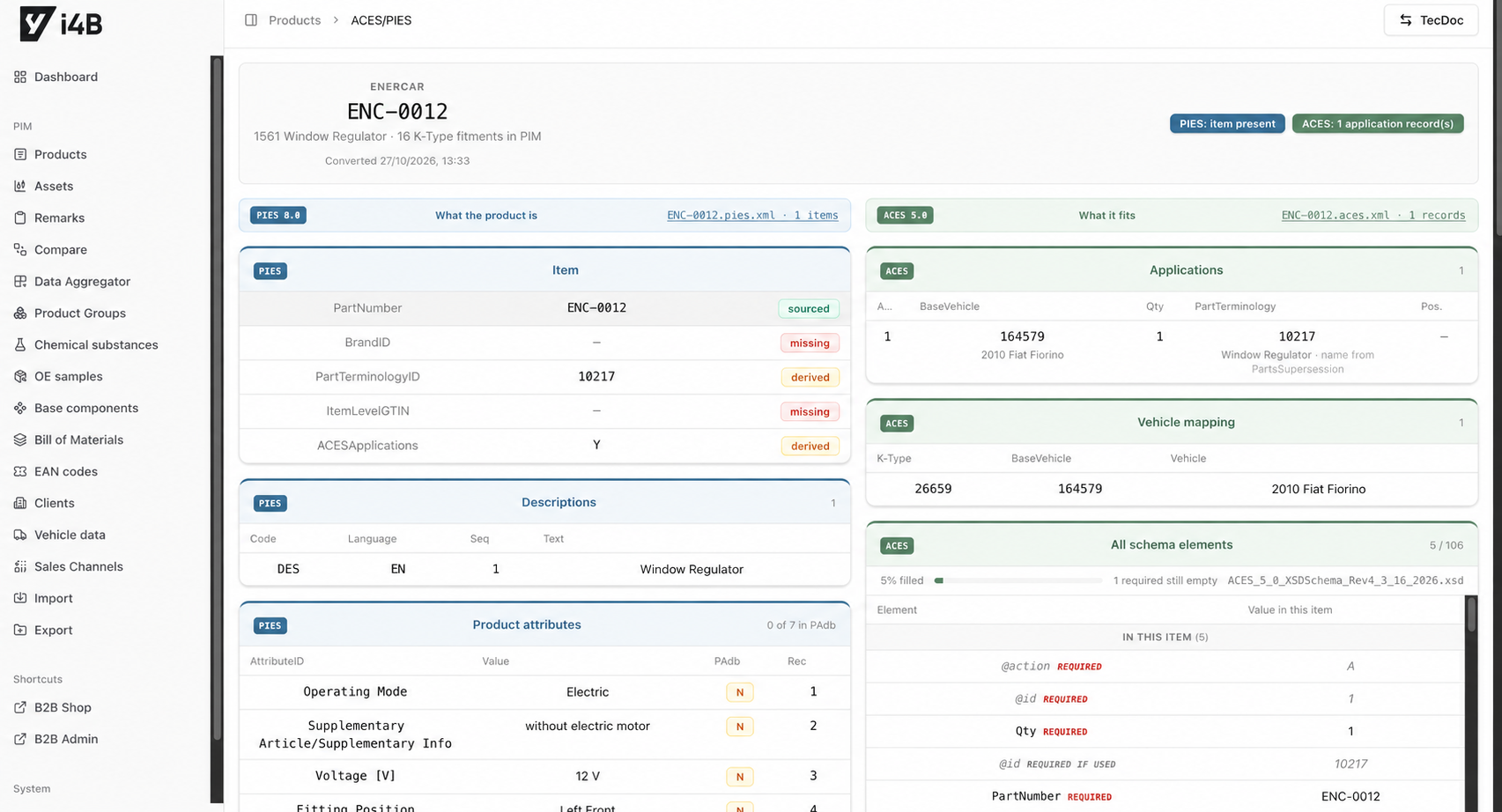
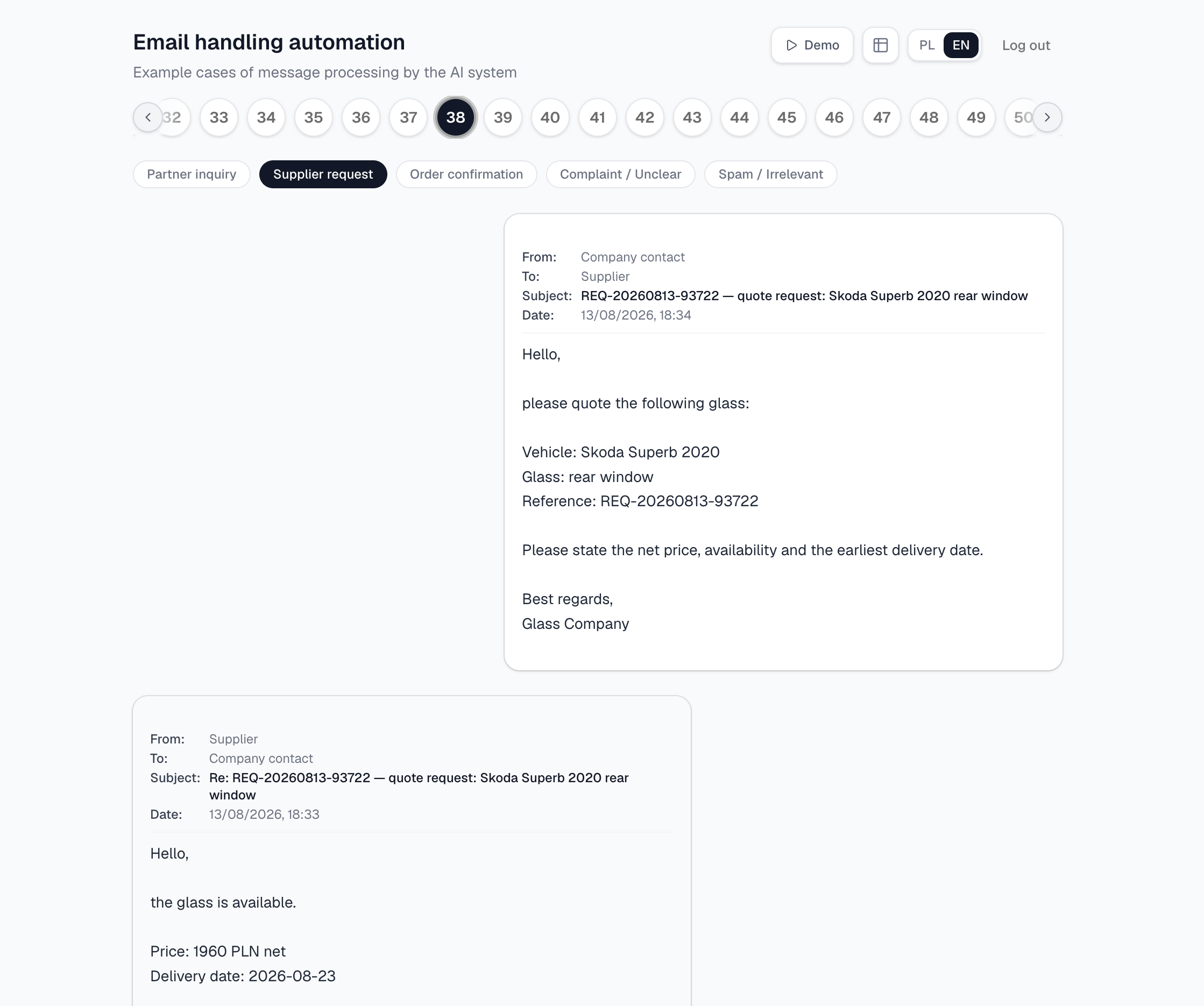
Your ERP keeps prices and stock; PIM4B keeps the product. It stores parts data as one governed record in the TecDoc format, with validation and completeness rules and multi-brand, multi-country structures, shows the same records as ACES and PIES, and exports them to ERPs, storefronts and marketplaces from a single place. In production it serves 200+ client applications through one API, rolls product data into new countries in weeks, and includes an AI research agent that queries external sources per OE number and writes analyst-approved values back with field-level source traceability.
One back office for forty sales channels.

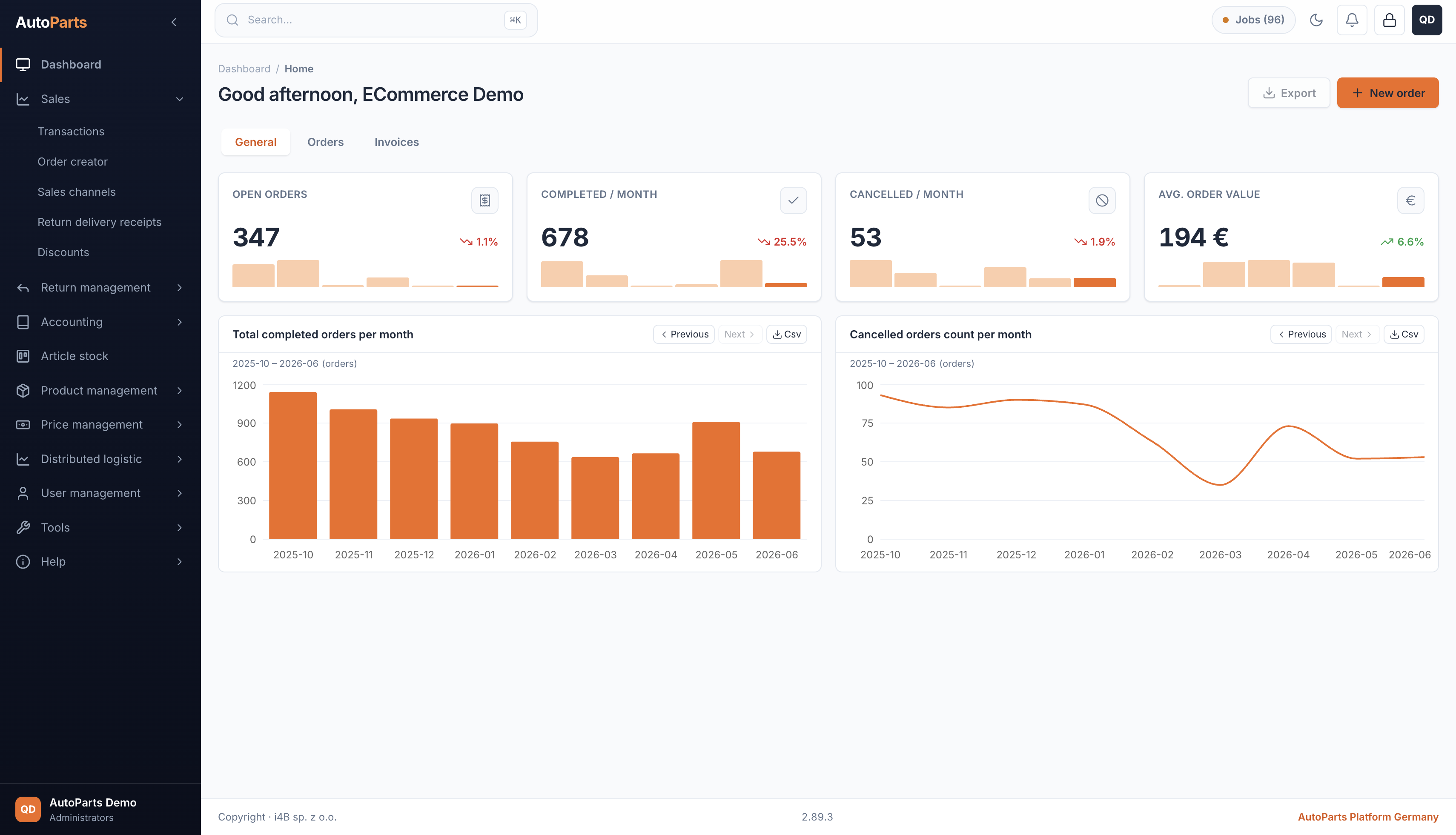
A back-office e-commerce and ERP platform for a German auto-parts distributor, unifying multichannel sales with a TecDoc-based parts catalog.
Consolidates orders from eBay, Amazon, Daparto, Tyre24 and 40+ other channels into one TecDoc-based catalog, handling every order the same way regardless of source. Covers the full lifecycle - invoicing, returns, stock levels, per-channel pricing - plus supplier orders, fulfillment and warehouse logistics, as one operations panel for the whole company rather than a storefront for end customers.
Live packing performance for the warehouse floor.

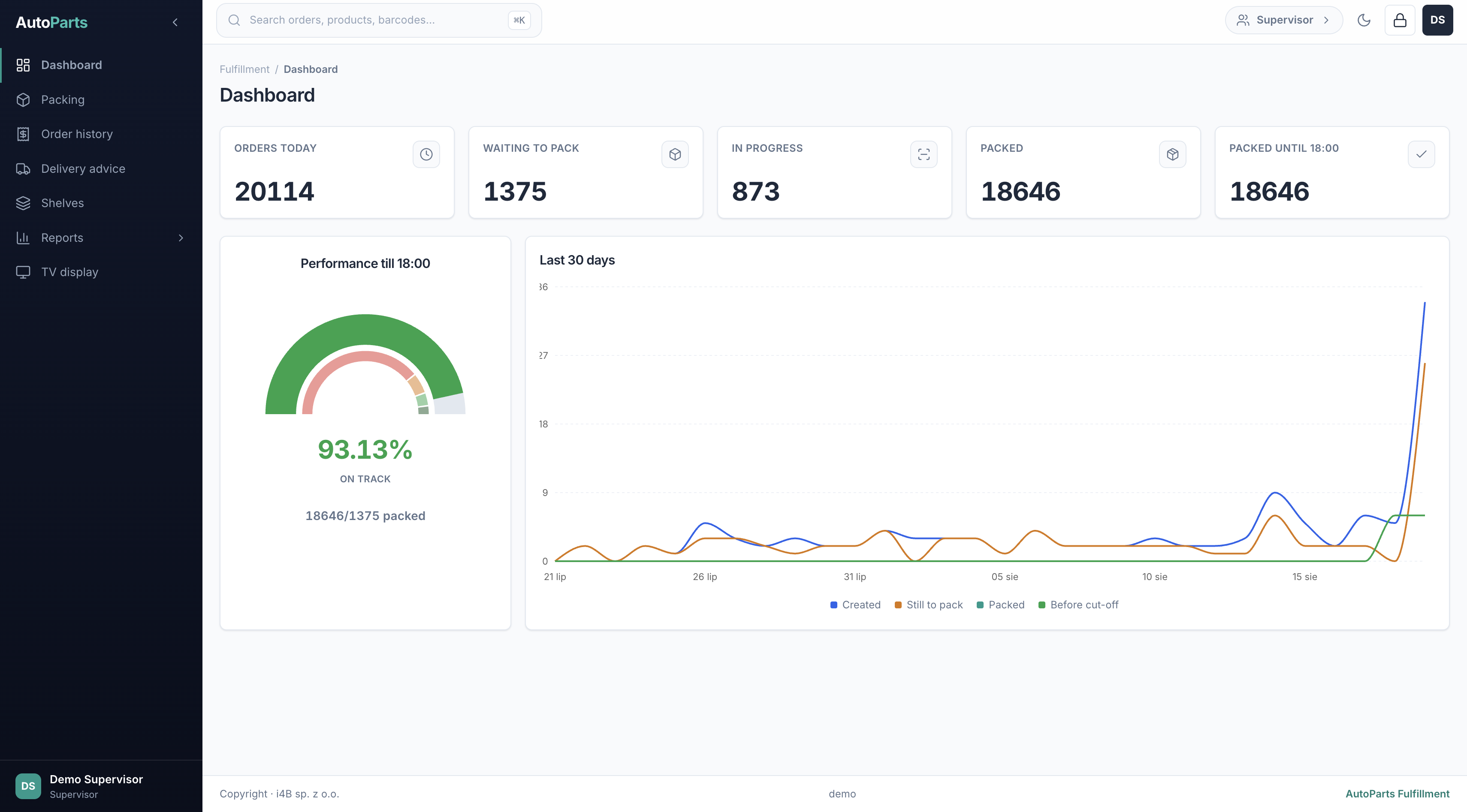
A warehouse fulfillment application for auto-parts distributors, built around the daily race to pack every order before the shipping cut-off.
One supervisor dashboard tracks orders received today, the packing queue, work in progress and packed volume, with a performance gauge that projects cut-off attainment and a 30-day trend of created, still-to-pack and packed orders. Packing, order history, delivery advice, shelf management, reports and a shop-floor TV display run as role-aware modules, with barcode-driven search across orders and products.
AI triage for inbound parts enquiries.

A customer support interface for parts shops and distributors, where a built-in AI handles incoming customer messages before a human takes over.
The AI reads each incoming message, works out which part the customer actually needs - asking follow-up questions when the enquiry is vague - and checks availability against the catalog. It then hands the conversation to an agent with the part identified, stock confirmed and the exchange summarised, so support starts from a complete request rather than a raw inbox.
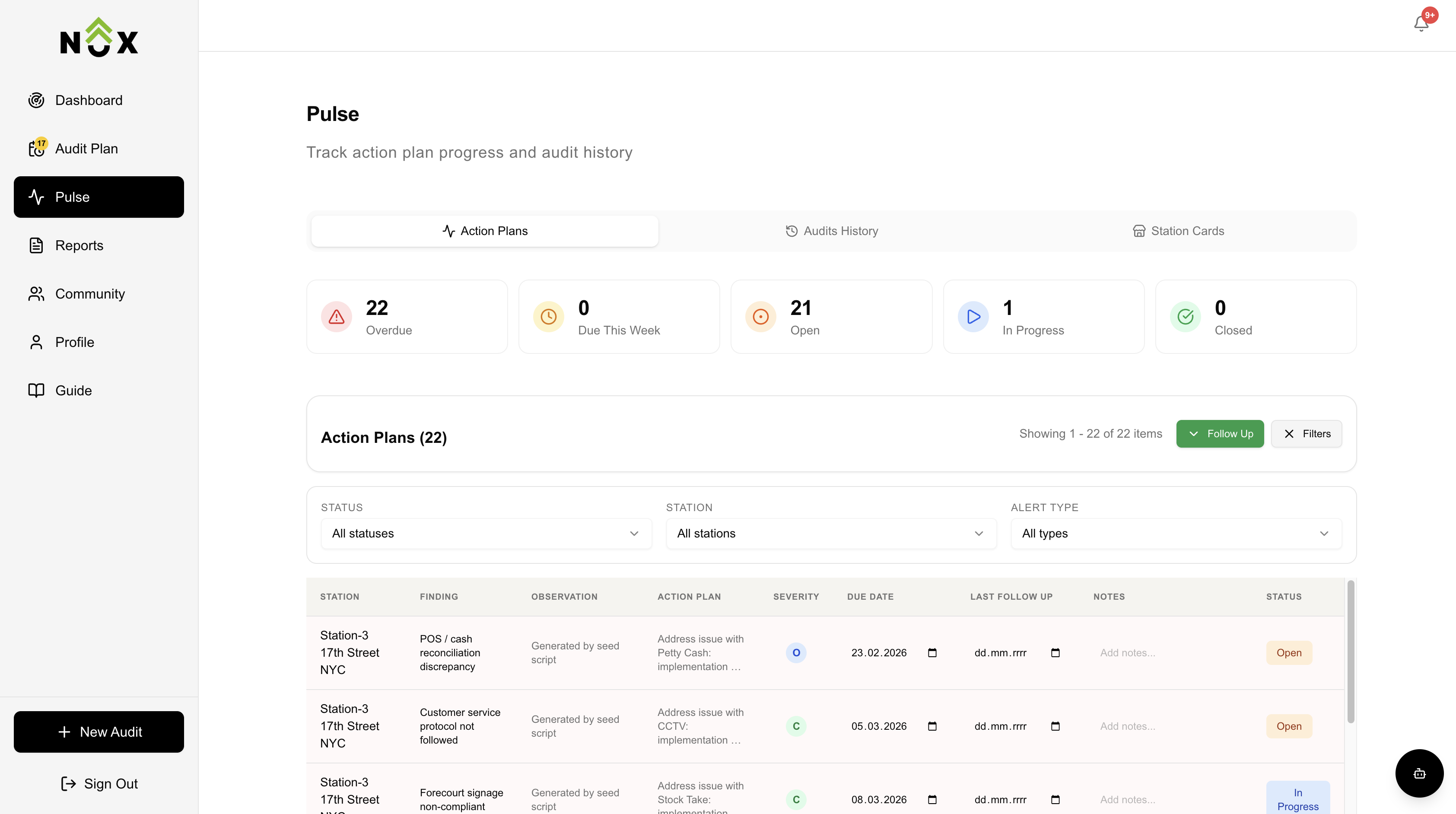
Site audits across retail networks, from shops to petrol stations.

A web-based audit management platform for companies operating distributed networks of physical locations.
Plan and conduct audits, assign auditors, build custom checklists, track compliance, and manage corrective actions - including offline fieldwork. An integrated AI assistant analyses audit data, highlights priority locations, and surfaces insights without manually reviewing reports.
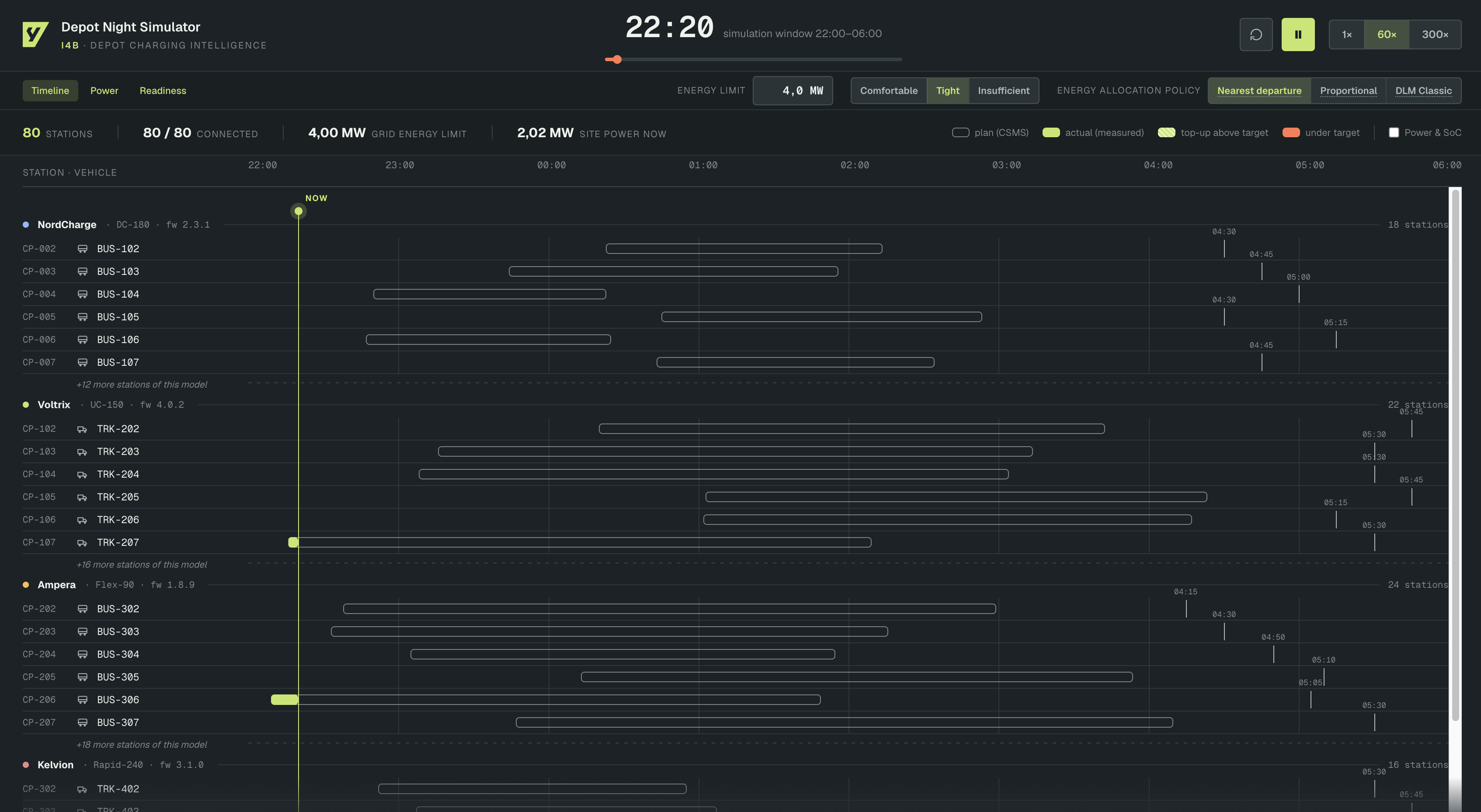
One depot, one night, every vehicle charged for its departure.

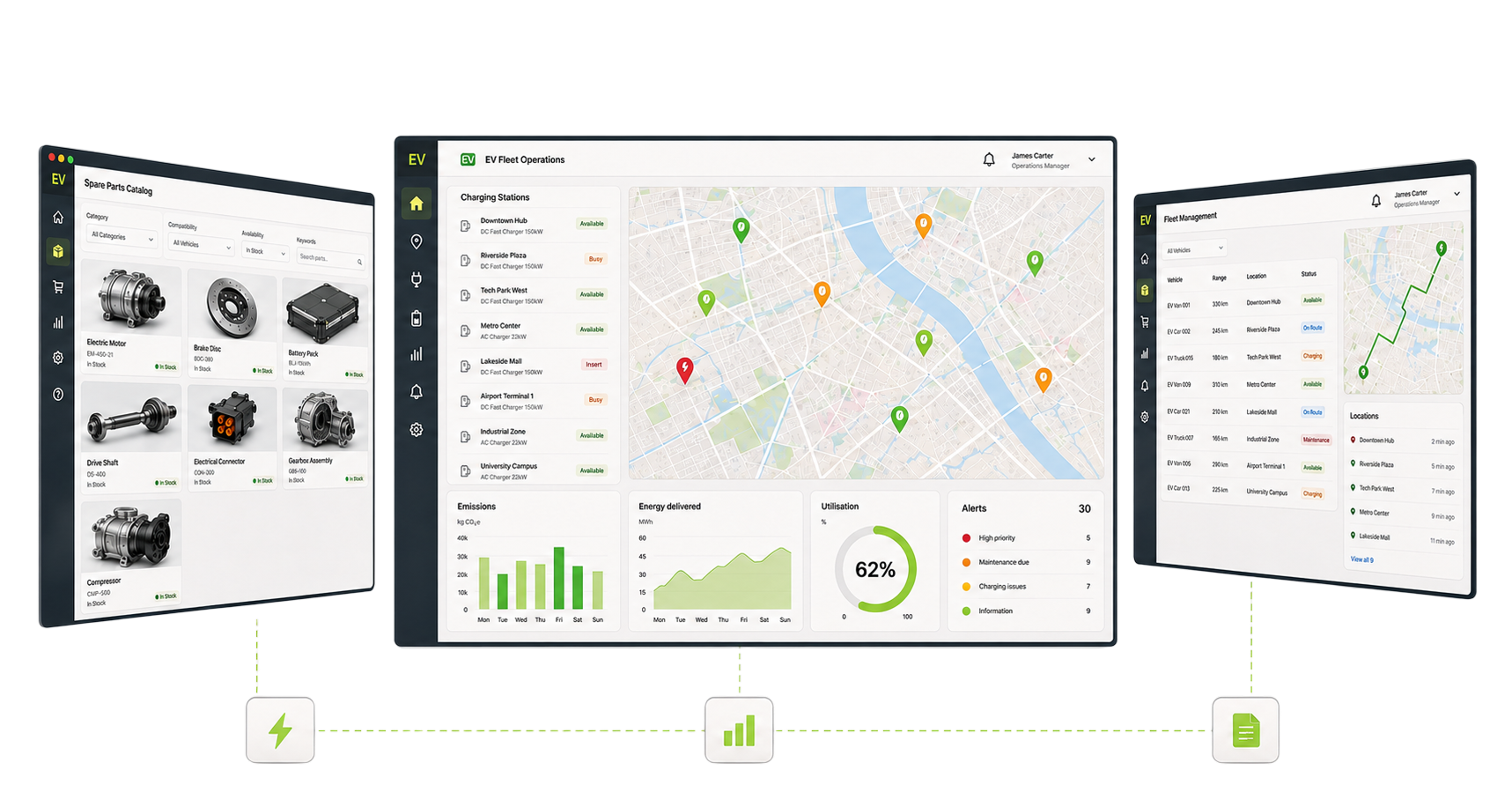
An electric depot is orchestrated when the systems that already run it share one picture: which vehicle charges when, on which stall, for which departure, under the grid limit.
This demo shows that picture for one night in a depot - eighty stations, twelve power units, one grid connection, 22:00–06:00. Set the energy limit, switch the charging policy - earliest departure first, proportional share or classic load management - and follow readiness per departure on a Gantt timeline, a power chart and a readiness board. In practice this orchestration lives inside the systems a depot already uses, not in a third screen. Our eMobility engineers build it there, together with the developers of those systems or as their team, so the depot gains readiness, charging state, a plan under the grid limit and energy that reconciles - in the software it already works with. The demo is the result, seen from the depot floor.
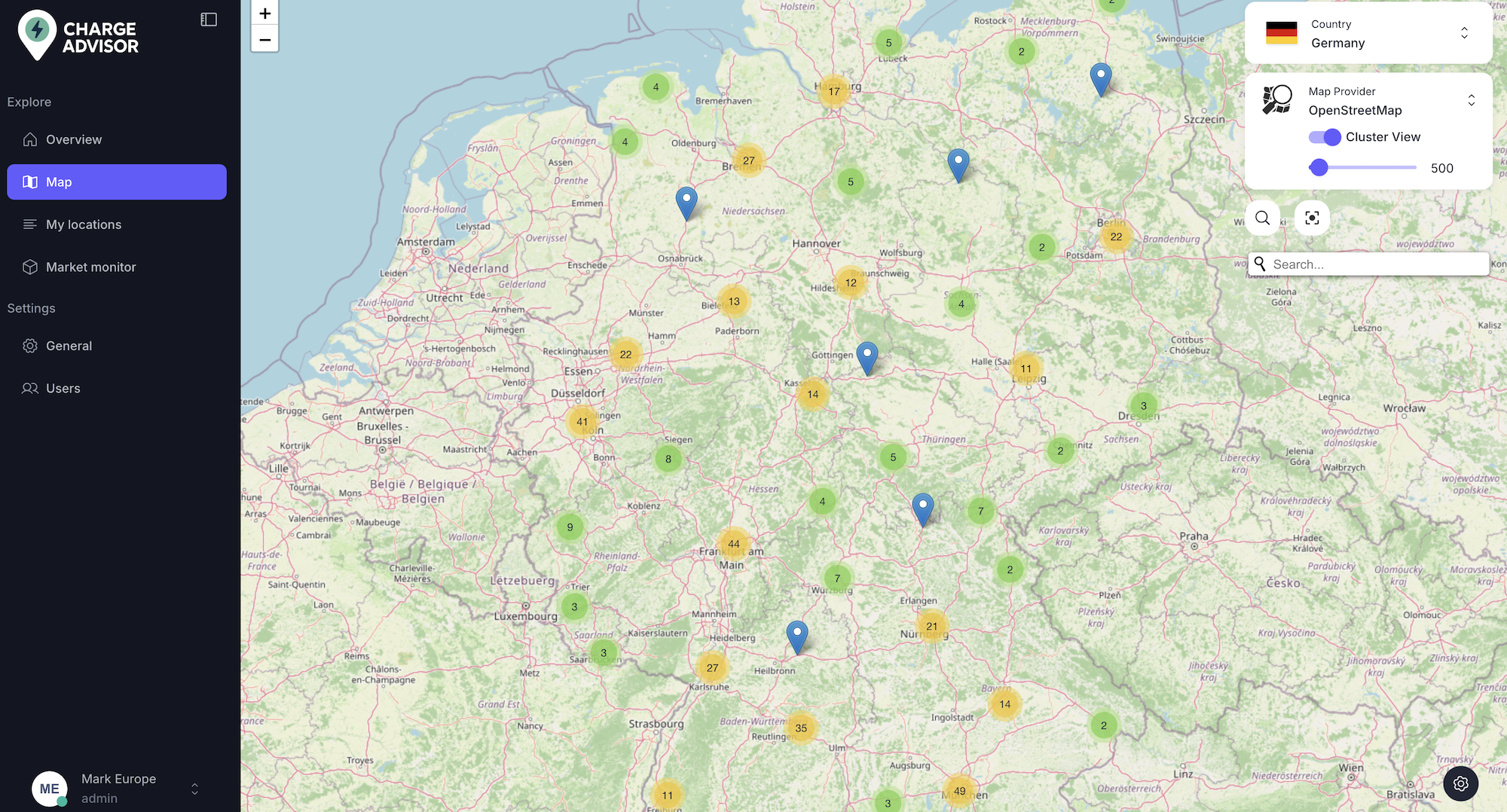
Where to build next, and who is already there.

A web-based EV infrastructure intelligence platform for charging network operators and market analysts.
Explore thousands of charging stations across Europe on an interactive map, compare operators, analyse connector availability, and turn fragmented market data into clear insights for network planning and competitive analysis.
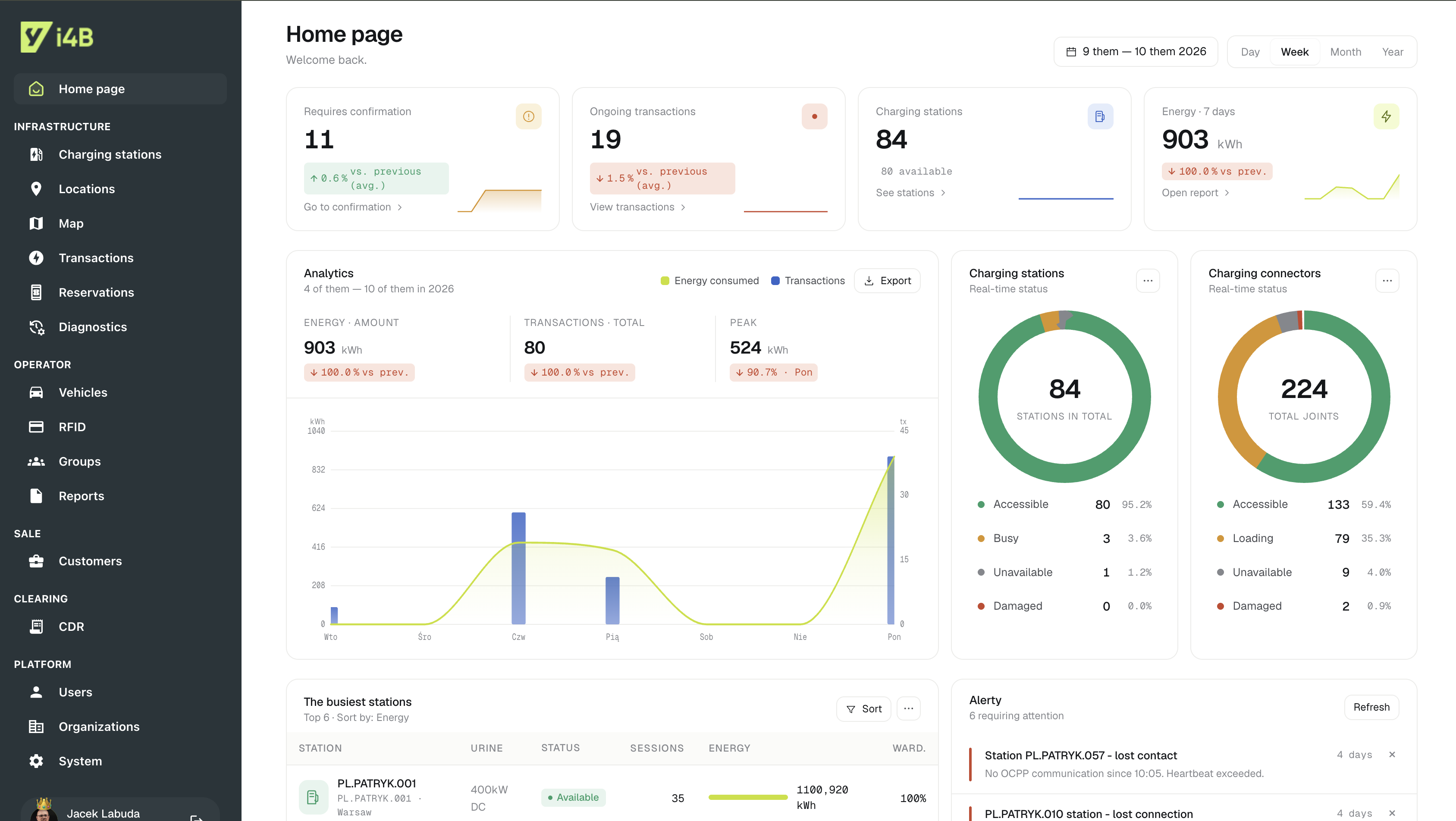
Charging management built for an electric fleet.

A Charge Management System (CSMS) for managing and monitoring EV charging networks.
EVFleet receives and processes OCPP messages from charge points, handles bidirectional protocol communication per OCPP 1.6 and 2.1, and enables operators to initiate remote commands - from session control to reservation management.
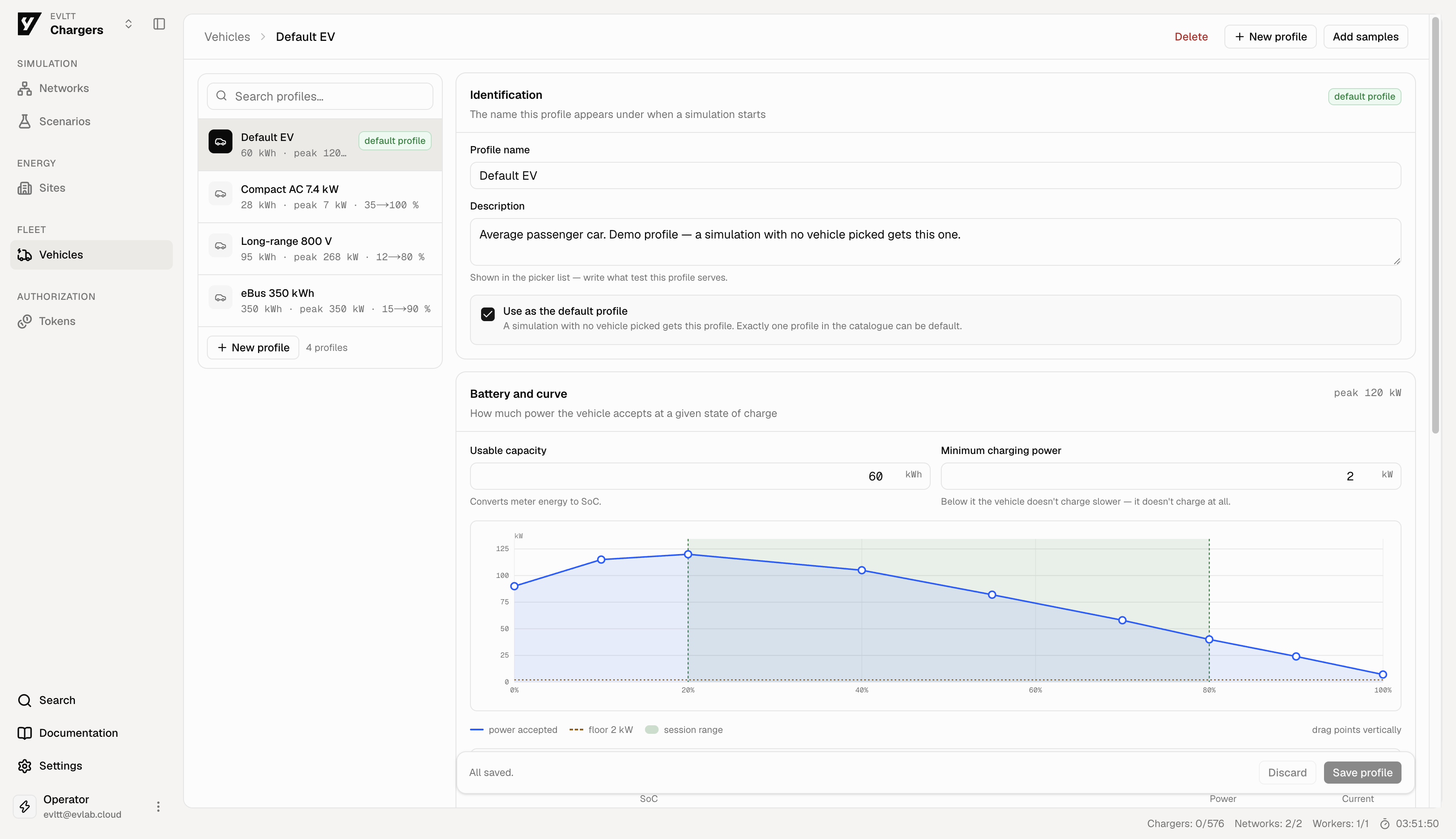
Simulate the network before anyone pours concrete.

A testing platform for EV charging infrastructure that simulates networks of physical charge points.
Configure virtual stations - set connector count, OCPP version, and CSMS connection parameters - then simulate real-world events such as connections, charge requests, and session management. Communicates bidirectionally with a Charge Management System per OCPP 1.6 and 2.1 specifications.